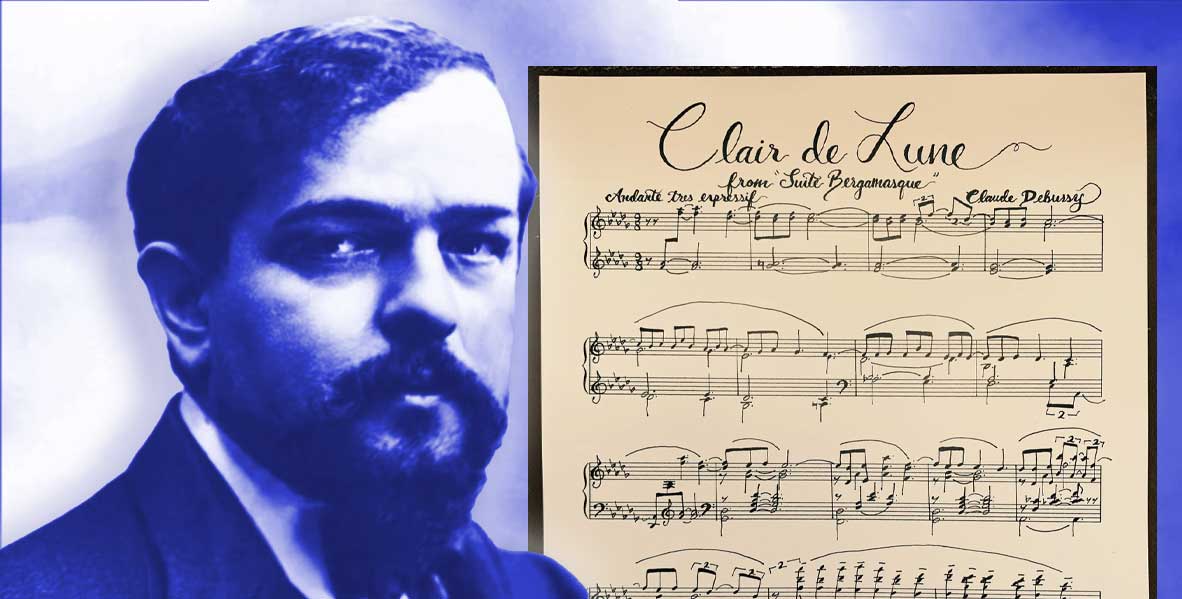
Debussy’s four movement Suite Bergamasque, published in 1905, is not just one of his best-loved pieces, but one of the most familiar in all piano repertoire. This is partly due to the popularity of its third movement, Clair de Lune, which has been widely played, adapted in popular culture and arranged for many different ensembles over the years (you can find numerous versions of this iconic movement to play here on 8notes).
Yet Debussy himself hesitated to publish this work and was likely ambivalent about its phenomenal success.
Continue reading...
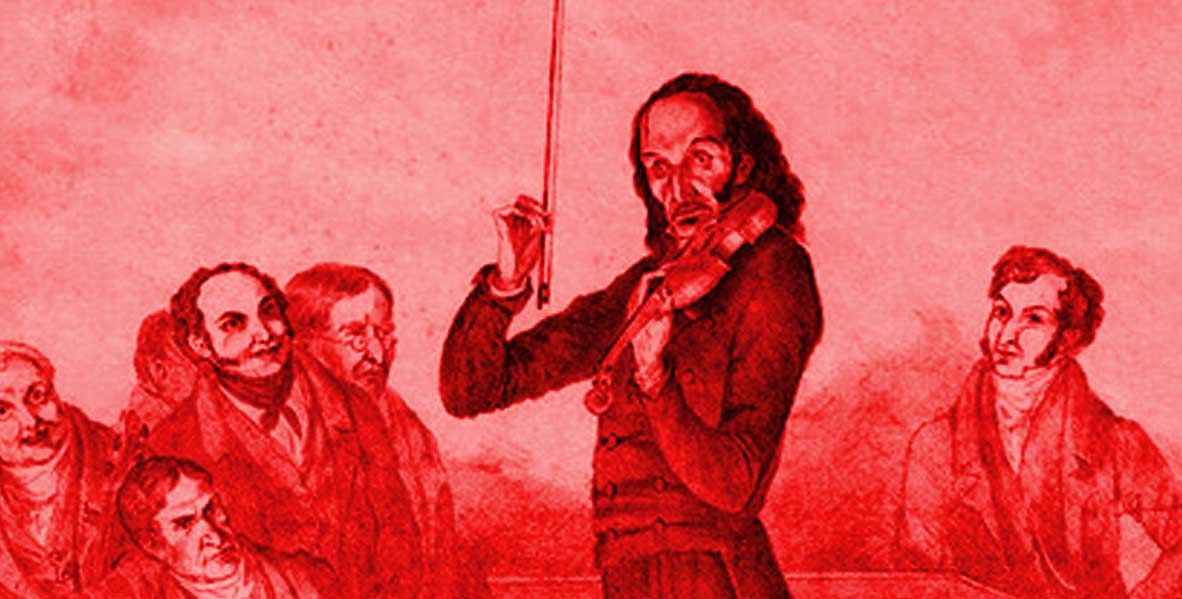
Niccolò Paganini (1782–1840) was not only the greatest violin virtuoso of his generation, he was a phenomena that boggled the minds of contemporary audiences.
His ability to play music of breathtaking complexity, his use of unconventional playing techniques such as left hand pizzicato and extreme harmonics, his uncanny improvising and playing from memory led audiences to feel that they were witnessing not mere skill, but something unnatural or even supernatural—a rumour began to circulate that the composer had made a pact with the devil in exchange for his remarkable skills.
Paganini’s 24 Caprices, Op. 1 and above all the influentialCaprice No. 24 from the set, became the embodiment of this myth.
Continue reading...
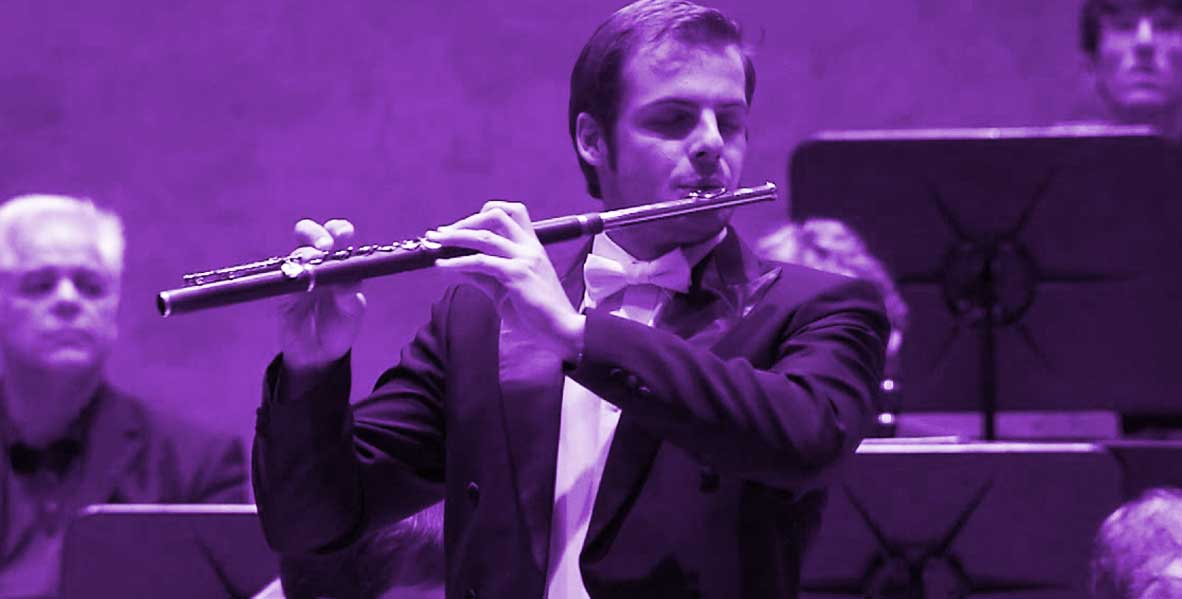
Aristotle, praising with faint damnation, was said to remark that ‘The flute is not an instrument that has a good moral effect – it is too exciting.’
We’re not so sure that playing the flute is sinful, but we are very certain that some wonderful music has been written for it over the last few centuries. And at the very apex of the repertoire stands the concerto, the form which allows maximum space for technical and expressive elaboration. Here, then, are what we consider to be the pinnacle of the pinnacle, the ten best concertos for this most exciting, if not most morally upright of instruments.
Continue reading...
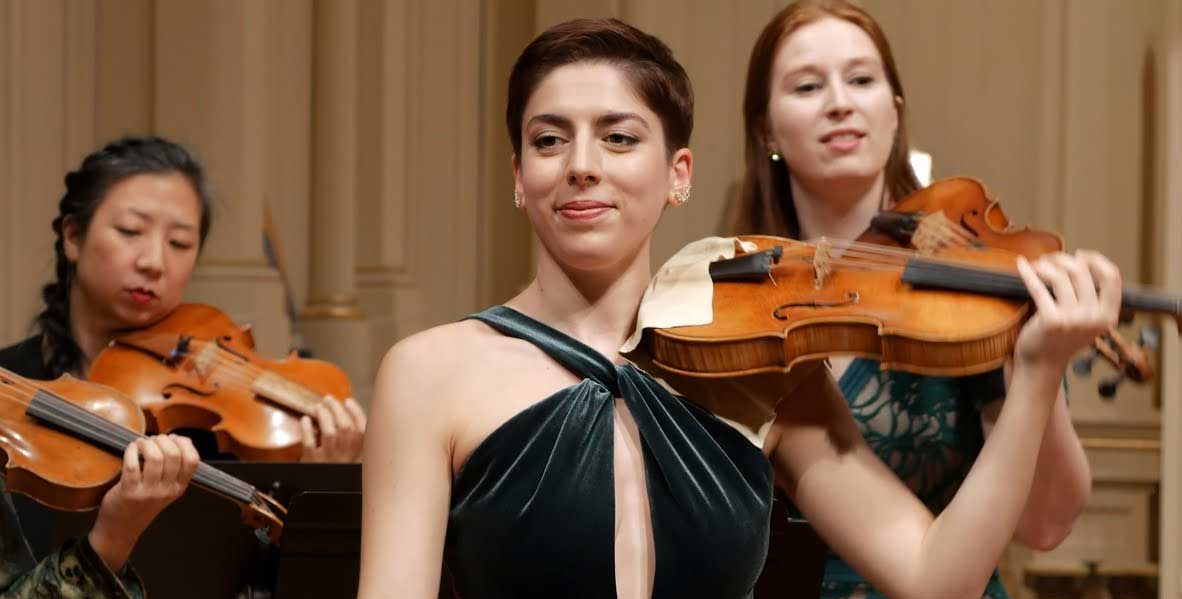
‘April hath put a spirit of youth in everything’ wrote William Shakespeare; Robin Williams, more prosaically, said that ’Spring is nature's way of saying, 'Let's party!’’ John Keats, actually musing about Autumn, wrote: ‘Where are the songs of Spring? Aye, where are they?’
For our purposes, the answer to Keats is that there are plenty—composers down the centuries have often been inspired by the sense of joy, energy and renewal that comes with spring.
We’ve gazed down those centuries to bring you the very best pieces associated with the season. Some are as familiar as a snowdrop; others as illusive—though just as lovely—as the 30 year bloom of an agave americana.
Continue reading...
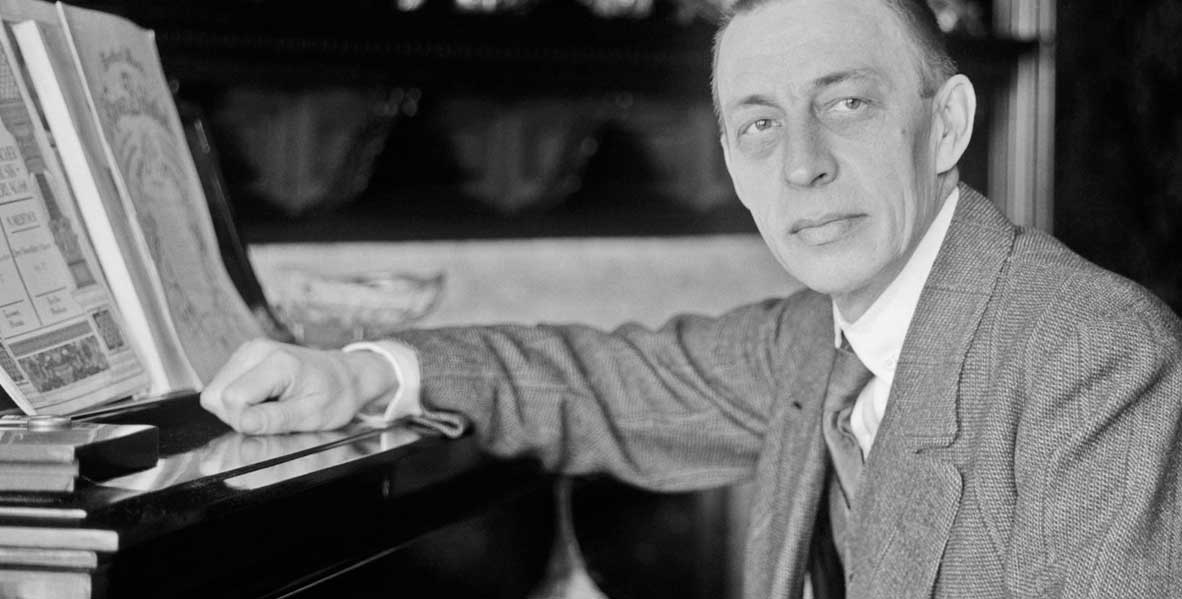
There have been many artists that have developed love-hate relationships with their own compositions. Tchaikovsky considered his 1812 Overture to be ‘without artistic merit’, Ravel said his Bolero had ‘no music in it’ and Liam Gallagher said of Oasis’s hit song ‘Wonderwall’, ‘Every time I have to sing it I want to gag.’
Though not expressed in such earthy terms, Rachmaninov developed a similar relationship with his Prelude in C-sharp minor, Op.3 No.2. One of his most popular compositions, audiences demanded it as an encore so frequently that the composer began to refer to it as his ‘Frankenstein’ piece, concluding that ‘Many, many times I wish I had never written it.’
Continue reading...
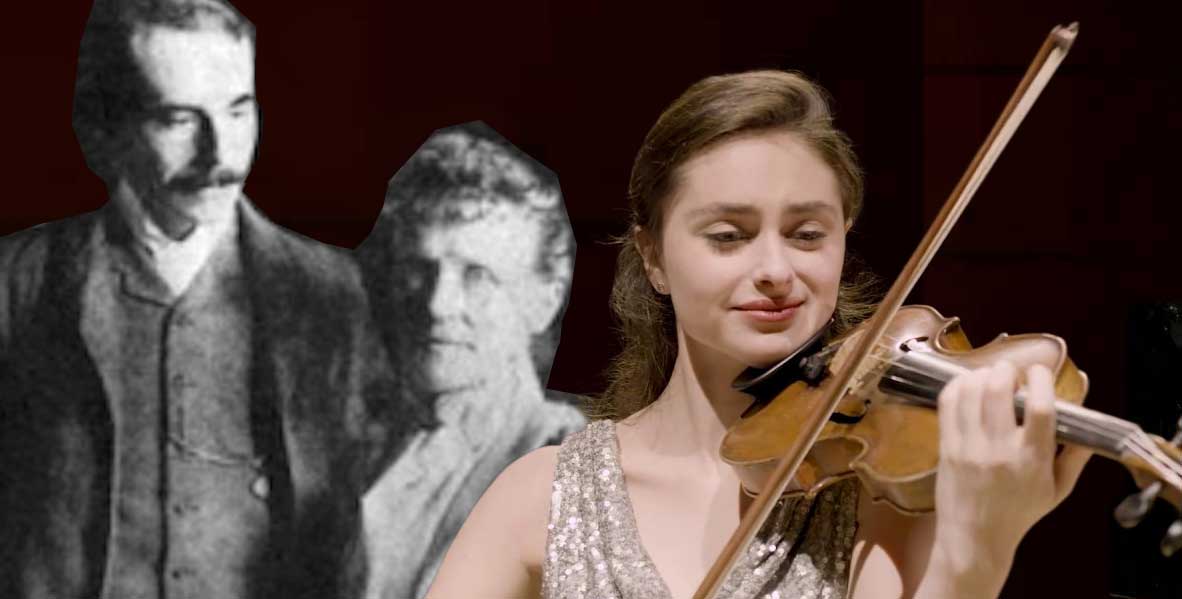
Though not Elgar’s first well-received piece, Salut d’Amour ('Love's Greeting’) was undoubtedly his first viral hit. After its publication in 1889 the work became wildly popular amongst amateur and professional musicians alike, a process helped by its subsequent adaption for many instrumental combinations.
The story of the work is charming, though not with out a bitter edge—written as present for his fiancee, it was a gift that financially continued to give, though not in a way the composer might have hoped.
Continue reading...
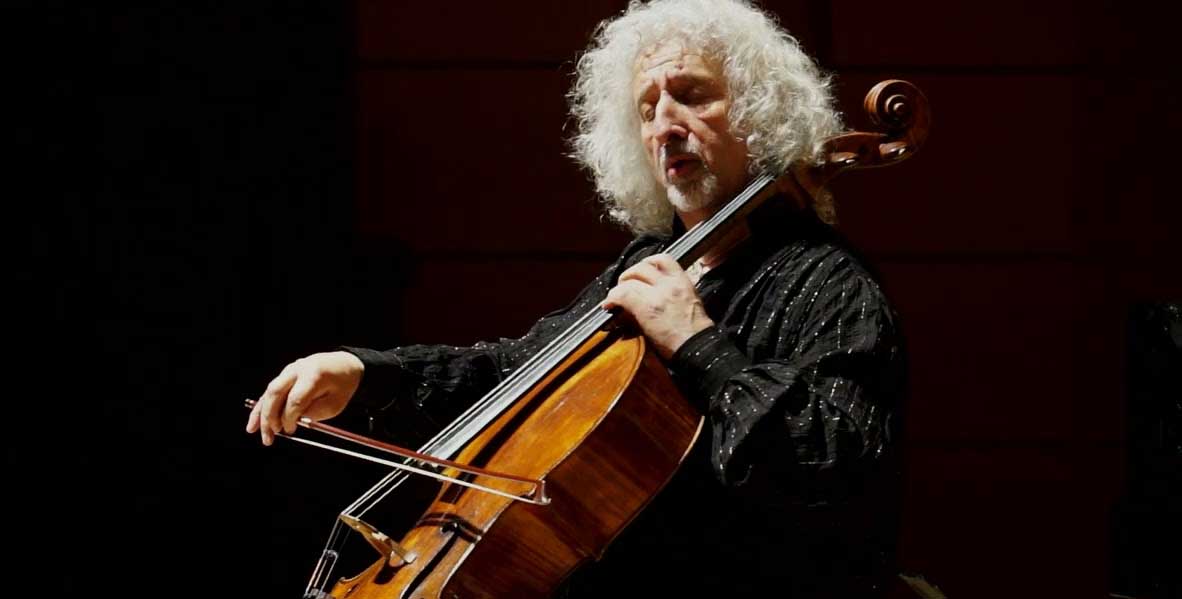
Choosing the very best sonatas for the cello is quite a challenge - the literature is rich and deep, with many composers contributing several great works, all of which might be worthy of inclusion. To help, we’ve limited this difficult task to one piece from each composer, aiming for a wide historical spread, giving a selection of works that trace the history of this form from its emancipation in the hands of Beethoven, to the heart of the tumultuous twentieth century.
Continue reading...
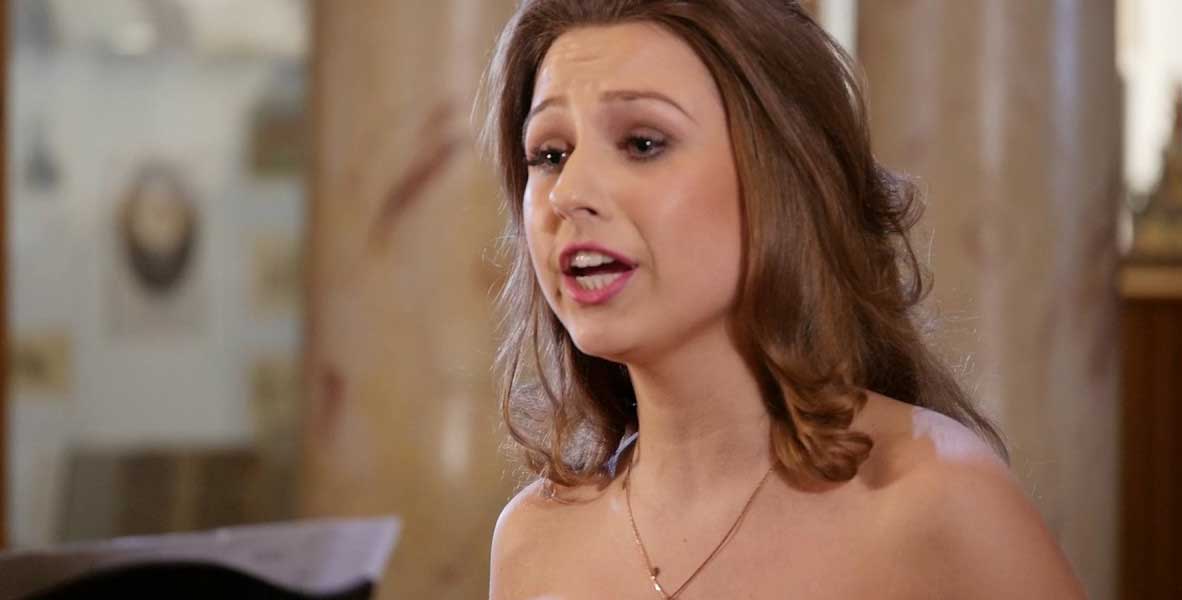
The Romantic era marked the maturation of the solo song or ‘lieder’ into one of classical music’s most imitate and expressive forms. Whilst an opera might tell a story over the course of many hours, using all the paraphernalia of orchestra, chorus and team of star singers; the solo song, often accompanied by piano alone, fused poetry and music into emotionally charged drama lasting just minutes.
It would be enough of a challenge to find 10 definite song cycles from this incredible rich period of music history. We will go one further, choosing our very favourite single songs, with each composer being represented by one song each.
These pieces are not just for singers; they also make great instrumental solos—follow the links to find our exclusive arrangements of them!
Continue reading...
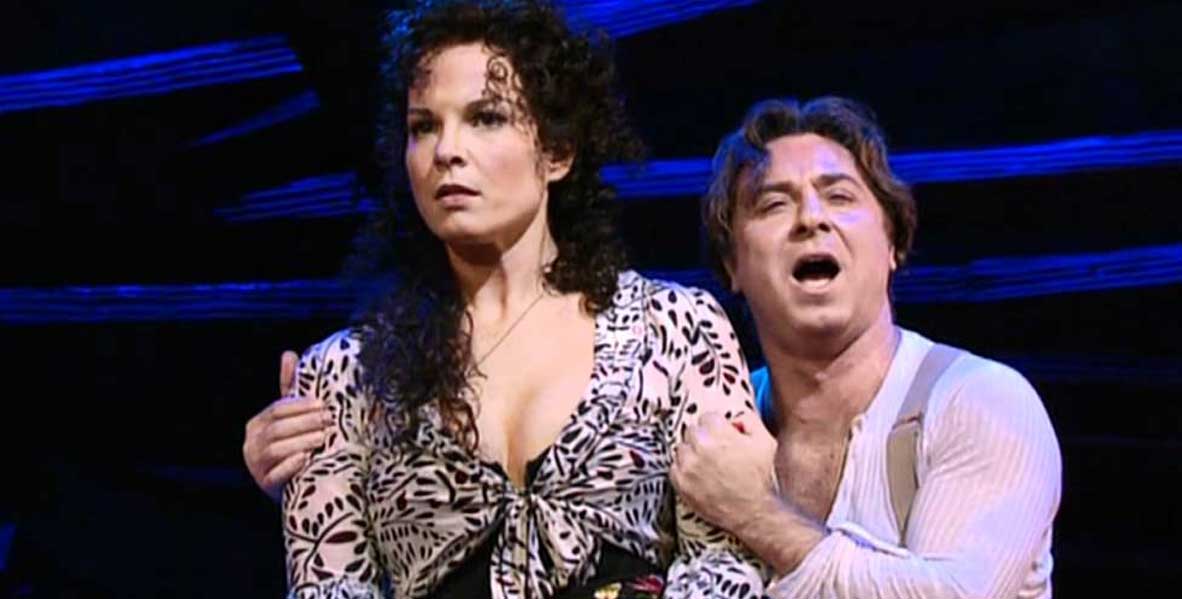
Bizet’s 1875 opera ‘Carmen’ is perhaps the best-known, best loved opera in the repertoire. So it is surprising to reflect that this great work, with all its vivid and now famous musical numbers, had a controversial and difficult beginning, with its composer not living to witness its phenomenal popularity.
Continue reading...

2026 marks the 250th anniversary of the United States’ Declaration of Independence, a moment that will be marked by reflection, celebration and, of course, music making across the country.
We’ve gathered together our picks of ten musical works that we think could form the core of this celebration. Forming only the small tip of our extensive collection of U.S. music, they are chosen to represent the nation’s history, its ideals, struggles and evolving identity.
Some of these works will be very familiar, but you will also find a few surprises…
Follow the links on each piece to find all the sheet music you need for your anniversary celebration. And if you are a subscriber with an unusual ensemble, let us know—we can normally make a version of the piece that will work for you.
Continue reading...