
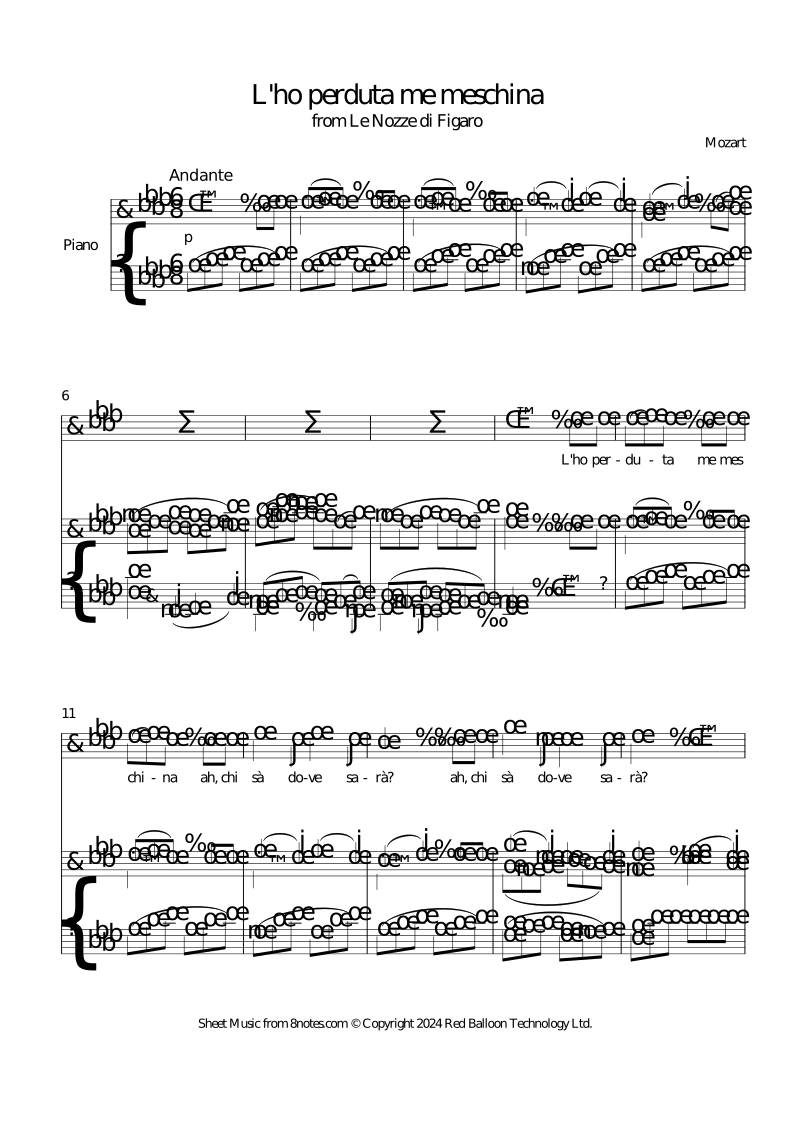
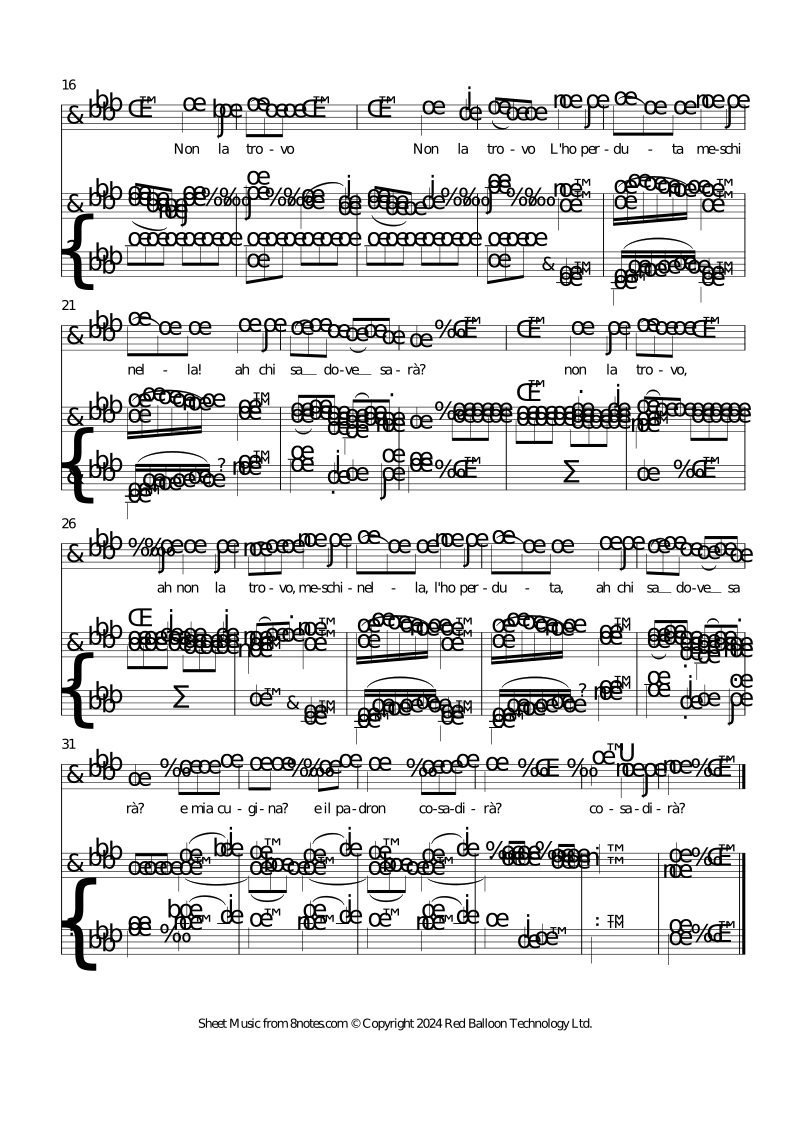
Mozart, Wolfgang Amadeus - L'ho perduta me meschina from from Le Nozze di Figaro
Free Sheet music for Soprano Voice
×
Single Page view?
Pause before start?
Options



Single Page view?
Pause before start?







Download Score PDF
(8notes Premium)
Arrangements of this piece also available for:
About 'L'ho perduta me meschina from from Le Nozze di Figaro'
Artist:
Born:
January 27, 1756
, December 5, 1791
Died:
Salzburg
, Vienna
The Artist:
A child prodigy, Mozart wrote his first symphony when he was eight years old and his first opera at 12. He went on to write some of the most important masterpieces of the Classical era, including symphonies, operas, string quartets and piano music.
Info:
Score Key:
F minor (Sounding Pitch) ( View more F minor Music for Soprano Voice )
View more F minor Music for Soprano Voice )Tempo Marking:
 . = 56 Andante
Duration:
1:17
Time Signature:
6/8 (View more 6/8 Music)
View more 6/8 Music)Range:
F5-F6
Number of Pages:
2
Difficulty:
Intermediate Level: Recommended for Intermediate Level players
Instrument:
Style:
Tags:
Copyright:
© Copyright 2000-2026 Red Balloon Technology Ltd (8notes.com)
This file may be printed and performed freely, but should not be digitally copied, shared or reproduced without permission.
This file may be printed and performed freely, but should not be digitally copied, shared or reproduced without permission.
This piece is included in the following :

Wolfgang Amadeus Mozart Sheet Music
Soprano Voice Sheet Music
Info
You might also like:
La Luce Langue from Macbeth by Giuseppe Verdi
Les oiseaux dans la charmille (Doll Song) from Les Contes d'Hoffmann by Jacques Offenbach
The Lost Chord by Sullivan, Arthur
Sull'aria from The Marriage of Figaro (as used in The Shawshank Redemption) by Wolfgang Amadeus Mozart
Je dis que rien ne m'epouvante from Carmen by Georges Bizet
Vorrei spiegarvi, o Dio, K.418 by Wolfgang Amadeus Mozart
Les oiseaux dans la charmille (Doll Song) from Les Contes d'Hoffmann by Jacques Offenbach
The Lost Chord by Sullivan, Arthur
Sull'aria from The Marriage of Figaro (as used in The Shawshank Redemption) by Wolfgang Amadeus Mozart
Je dis que rien ne m'epouvante from Carmen by Georges Bizet
Vorrei spiegarvi, o Dio, K.418 by Wolfgang Amadeus Mozart